How Long Does Water Damage Restoration Take in Everett, WA?
Water damage restoration in Everett, WA, typically takes 3–7 days for water removal and structural drying, while complete repairs can take 1–3 weeks or longer, depending on the damage, water category, affected materials, and hidden moisture. Everett Restoration Pros provides professional water damage restoration services to help local homeowners and businesses recover from leaks, flooding, burst pipes, and storm damage.
If your home has water damage, you may be wondering how long it will take to dry, when you can return to normal, and whether you need to leave during the restoration process. The answer depends on how much water entered your property, where it spread, and how quickly the cleanup begins.
In Everett and Snohomish County, heavy rain, plumbing failures, basement flooding, and roof leaks can lead to water damage throughout the year.
How Long Does Water Damage Restoration Take in Everett, WA?
The water damage restoration timeline in Everett, WA, depends on the severity of the damage and the type of restoration needed. Minor water damage may take 3–5 days, while moderate damage can require 5–7 days for drying and mitigation. Extensive flooding, sewage backups, or major repairs may take several weeks.
Water Damage Type
Estimated Timeline
Minor water damage from a small leak
3–5 days
Moderate water damage affecting several materials
5–7 days
Extensive flooding or sewage damage
1–3 weeks or longer
Major reconstruction and repairs
Several weeks or longer
These are general planning estimates, not guaranteed completion times. The actual water damage restoration timeline depends on the amount of water, moisture trapped inside building materials, contamination, and the repairs required.
How Long Does It Take for a House to Dry Out After Water Damage?
Most water-damaged homes require approximately 3–5 days of professional structural drying, although some materials and severe water damage cases can take longer.
Water can remain trapped inside drywall, insulation, subfloors, and wall cavities even after standing water has been removed. Professional air movers and dehumidifiers help remove moisture from these materials and control indoor humidity.
The drying time depends on:
The amount of water that entered the home.
The type of water involved, such as clean water or sewage.
The materials affected by water.
Indoor temperature, humidity, and airflow.
Whether hidden moisture or additional damage is discovered.
A room may look dry while moisture remains inside the walls or beneath the flooring. Professional moisture monitoring helps determine when affected materials have reached appropriate drying goals.
What Is the Typical Water Damage Restoration Timeline?
The water damage cleanup process in Everett generally includes emergency inspection, water extraction, structural drying, cleaning, and repairs. Some steps happen at the same time, while others depend on the results of the previous stage.
Phase 1: Emergency Contact and Inspection (First 1–4 Hours)
The restoration process begins when you contact a professional water damage restoration company. The first priority is to identify the water source, assess the damage, and determine which areas need immediate attention.
During the initial inspection, technicians may:
Inspect the affected rooms and building materials.
Identify the water source and water category.
Check for visible and hidden moisture.
Use moisture meters and thermal imaging when appropriate.
Document the damage with photographs and moisture readings.
If a burst pipe or plumbing leak is still active, the water supply should be stopped when it is safe to do so.
Everett Restoration Pros provides emergency water removal and water damage assessment for local homes and businesses.
Phase 2: Water Extraction and Moisture Mapping (First 1–2 Days)
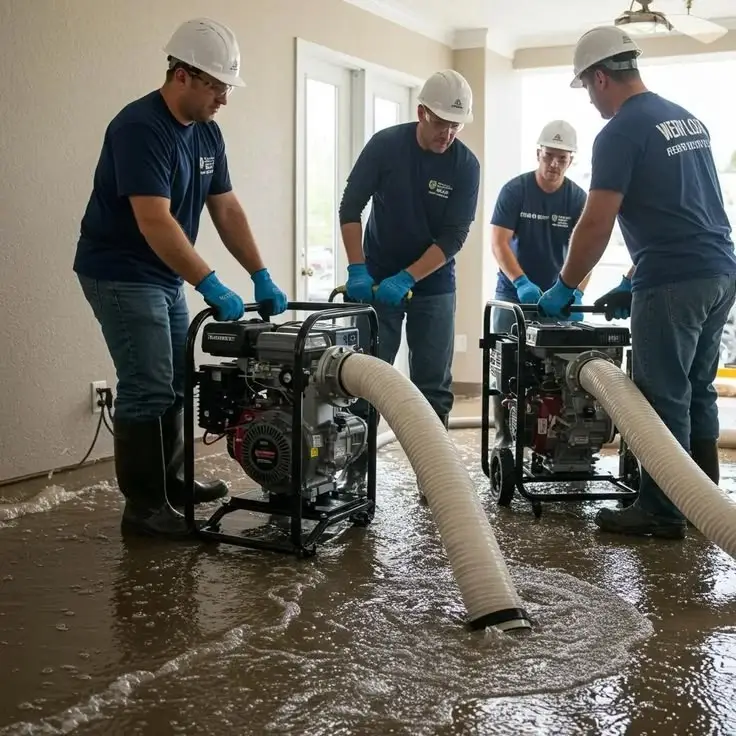
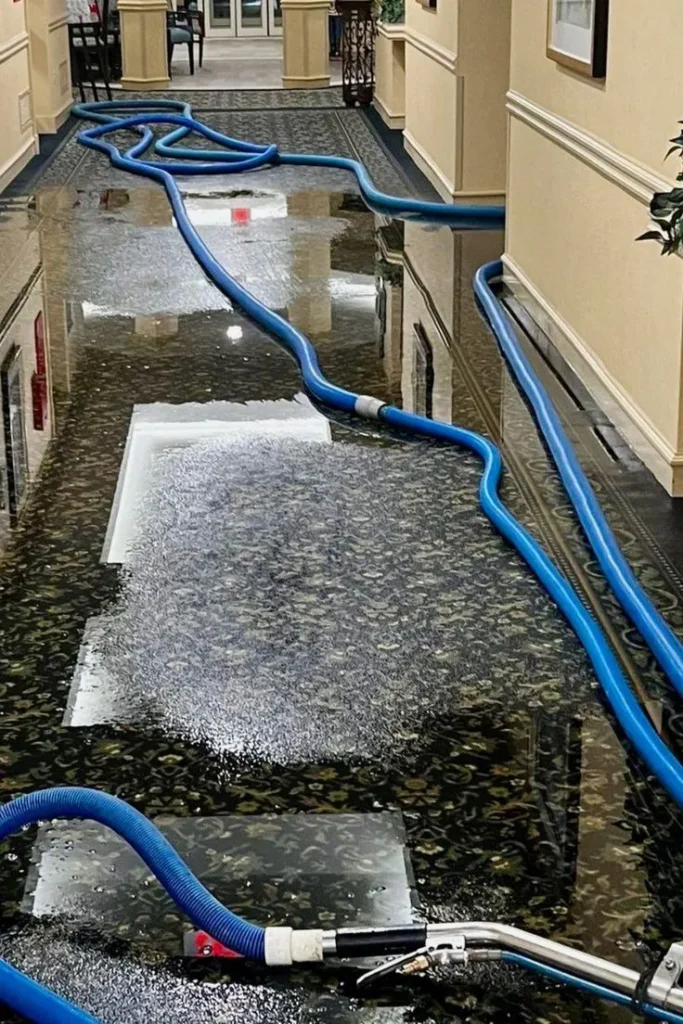
Water extraction is one of the most important steps in the restoration process. Removing standing water early helps prevent additional absorption into drywall, flooring, furniture, and structural materials.
Professional extraction equipment removes water from affected surfaces and helps prepare the property for structural drying.
During this stage, technicians may:
Extract standing water from floors and carpets.
Check for moisture beneath flooring and inside wall cavities.
Identify wet drywall, insulation, and other affected materials.
Remove damaged materials when necessary.
Set up drying equipment based on the affected areas.
Moisture mapping helps locate water that may not be visible during a normal inspection. This is especially important after basement flooding, roof leaks, and burst pipes.
Phase 3: Stabilization and Structural Drying (Days 2–7+)
Structural drying is often the longest part of the water damage restoration process. Even after standing water has been removed, moisture can remain inside drywall, wooden framing, insulation, and subfloors.
Restoration professionals use commercial air movers and dehumidifiers to control humidity and remove moisture from affected building materials.
The structural drying process may include:
Placing air movers to improve airflow across wet surfaces.
Using dehumidifiers to remove moisture from indoor air.
Monitoring moisture levels in walls, floors, and other materials.
Adjusting equipment based on drying progress.
Removing materials that cannot be dried safely or effectively.
Drying equipment may need to operate continuously, including overnight, according to the restoration team’s instructions.
Phase 4: Cleaning and Sanitizing (After Drying or as Needed)
Once the affected areas have been assessed and properly dried, cleaning and sanitizing can continue according to the water category and condition of the materials.
The cleaning process may include:
Cleaning affected surfaces and salvageable materials.
Removing contaminated or unsalvageable porous materials.
Addressing odors and contamination when necessary.
Preparing affected areas for repairs and reconstruction.
Clean water from certain plumbing leaks may require less extensive cleaning than sewage or contaminated floodwater. Category 3 water damage often requires additional safety measures and removal of contaminated porous materials.
If mold is discovered or develops because of moisture, additional mold inspection and remediation may be necessary.
Phase 5: Water Damage Repairs and Reconstruction (1–3 Weeks or Longer)
Water damage repairs begin when the affected areas are ready for reconstruction. This stage can include replacing damaged drywall, insulation, flooring, and other building materials.
The reconstruction timeline depends on the extent of the damage and the materials needed for repairs.
Other factors that can extend the timeline include:
Material availability and delivery schedules.
Custom flooring or cabinetry.
Additional damage discovered during demolition.
Required inspections or insurance approvals.
The amount of repair and finishing work needed.
Water damage restoration and reconstruction are separate parts of the recovery process. A property may be dry before all repairs are finished.
What Factors Affect Your Water Damage Restoration Timeline?
Every water damage situation is different. Two homes in Everett can experience similar leaks but have different restoration timelines because of the water source, affected materials, and extent of the damage.
Water Category and Source
The category of water affects how the property must be cleaned and restored.
Category 1 water generally comes from a clean water source, such as certain supply-line leaks. Category 2 water contains a higher level of contamination and requires additional precautions. Category 3 water includes sewage and heavily contaminated water that may pose serious health risks.
Contaminated water can require more extensive cleaning, removal of porous materials, and safety procedures.
Extent of the Water Damage
The size of the affected area directly impacts the water damage restoration timeline.
A small leak limited to one room may require less drying equipment and fewer repairs than water that spreads through several rooms or floors.
Water can travel beyond the original leak through:
Wall cavities and insulation.
Subfloors and flooring materials.
Ceilings and lower levels.
Basements and crawl spaces.
Materials Affected by Water
Different building materials absorb and release moisture at different rates. Some materials may be dried in place, while others may require removal and replacement.
Material
What Affects Drying Time
Drywall
Water absorption and moisture trapped behind the wall
Carpet and padding
Hardwood flooring
Moisture beneath boards and inside the subfloor
Insulation
Saturation and access to wall cavities
Concrete
For example, carpet exposed to clean water may sometimes be dried in place when conditions allow. Saturated carpet padding or contaminated carpet may require removal.
Hardwood floors can take longer because moisture may become trapped beneath the boards. Concrete can also retain moisture even after the surface appears dry.
Hidden Moisture and Mold Risk
Hidden moisture is one of the most common reasons water damage restoration takes longer than expected.
Water may travel behind baseboards, beneath flooring, and into wall cavities. These areas can remain wet even when visible surfaces feel dry.
If wet materials are not dried properly, mold growth may become a concern. Mold can begin developing within 24–48 hours under favorable moisture conditions, although the exact timing depends on the environment and materials.
Professional moisture inspection helps identify affected areas and determine whether additional drying or mold remediation is needed.
Insurance Approvals and Material Availability
Insurance documentation and repair approvals can affect the overall restoration schedule, especially during reconstruction.
Photographs, moisture readings, damage assessments, and restoration records can help explain the cause and extent of the loss to your insurance adjuster.
Some repairs may also depend on material availability. Custom flooring, cabinets, and other building materials can take longer to obtain.
Does Everett Weather Affect Water Damage Drying Time?
Yes. Everett’s rainy weather, seasonal humidity, and cold winter temperatures can affect water damage restoration, particularly when outdoor conditions make it harder to control indoor moisture.
Winter Water Damage and Frozen Pipes
Cold snaps during Everett winters can cause water inside uninsulated pipes to freeze and expand. Pipes located in exterior walls, garages, and unheated crawl spaces can be especially vulnerable.
When a pipe bursts, water may spread through walls, ceilings, and flooring before the source is discovered.
Heavy Rain, Storms, and Roof Leaks
Heavy rainfall and wind-driven rain can allow water to enter homes through damaged roofs, windows, siding, and other exterior openings.
In Everett, prolonged rain can also contribute to basement flooding and crawl space moisture problems.
If water continues entering the property, restoration may take longer because the source of the water must first be controlled.
Everett Humidity and Professional Dehumidification
High outdoor humidity can make natural drying less effective. Opening windows or relying on household fans may not provide the conditions needed to dry wet building materials.
Professional dehumidifiers help control indoor humidity, while air movers improve airflow across affected surfaces.
How Does Emergency Water Removal Help Reduce Restoration Time?
Emergency water removal in Everett, WA, helps reduce restoration time by removing standing water early, identifying hidden moisture, and starting professional drying as soon as conditions allow.
The longer water remains inside building materials, the more moisture those materials may absorb. Early extraction can help limit additional damage and reduce the amount of restoration work needed.
Professional emergency drying services may include:
Water extraction from floors, carpets, and other affected areas.
Moisture mapping with professional inspection equipment.
Air movers and commercial dehumidifiers.
Structural drying and daily moisture monitoring.
Documentation of affected materials and restoration progress.
Everett Restoration Pros provides water damage cleanup, emergency water removal, and structural drying for homes and businesses in Everett, WA.
What Should You Do While Waiting for Water Damage Restoration?
Taking the right steps while waiting for professional help can reduce additional damage and protect your household.
Shut Off the Water Source if Safe
If a plumbing leak or burst pipe is causing water damage, turn off the main water supply if you can safely reach the shutoff valve.
Protect Belongings and Document Damage
Move furniture, electronics, important documents, and other valuables away from wet areas when it is safe to do so.
Take photos and videos of the affected rooms, damaged materials, and belongings before major cleanup begins.
Avoid Electrical Hazards and Contaminated Water
Never walk through standing water near electrical outlets, appliances, or electrical panels.
Avoid direct contact with sewage or contaminated floodwater.
Do Not Turn Off Professional Drying Equipment Without Approval
If a restoration team has installed air movers or dehumidifiers, follow their instructions about operating the equipment.
Drying equipment may need to run continuously to maintain proper airflow and humidity control.
Frequently Asked Questions About Water Damage Restoration in Everett
How Long Does Water Damage Restoration Take in Everett, WA?
Water damage restoration in Everett, WA, typically takes 3–7 days for water extraction and structural drying. Minor leaks may take 3–5 days, while extensive flooding, sewage damage, or major reconstruction can take several weeks or longer. The timeline depends on water contamination, affected materials, hidden moisture, and the repairs required.
How Long Does It Take to Dry a Flooded Basement in Everett?
A flooded basement may take 5–10 days or longer to dry, depending on the amount of standing water, affected materials, and moisture trapped in concrete, drywall, and flooring. Professional water extraction, dehumidification, and moisture monitoring help determine when the basement is properly dry.
How Long Does Drywall Take to Dry After Water Damage?
Wet drywall may take several days to dry, depending on water absorption, airflow, and moisture behind the wall. Heavily saturated or contaminated drywall may need removal and replacement instead of drying. A professional moisture inspection helps determine whether the drywall and underlying insulation can be safely restored.
Can I Stay in My Home During Water Damage Restoration?
You may be able to stay home during minor water damage restoration if the affected areas remain safe and usable. However, sewage contamination, electrical hazards, extensive flooding, or major reconstruction may require temporary relocation. A professional assessment can help determine whether your Everett home is safe to occupy during cleanup and drying.
Does Homeowners Insurance Cover Water Damage Restoration in Everett, WA?
Homeowners insurance may cover sudden and accidental water damage, such as certain burst pipe or appliance leaks. Coverage depends on your policy, the cause of damage, exclusions, and deductible. Gradual leaks and flooding from rising water may be treated differently, and separate flood insurance may be required for certain losses.
How Do Professionals Know When Water Damage Is Completely Dry?
Restoration professionals use moisture meters and other inspection tools to measure moisture inside affected materials. They compare readings with appropriate drying goals and unaffected materials to confirm progress. A wall or floor that feels dry on the surface may still contain hidden moisture beneath the surface.
How Long Should Water Damage Drying Equipment Run?
Air movers and dehumidifiers may need to run continuously, including overnight, until the affected materials reach appropriate drying goals. The required time depends on the amount of water, materials, and indoor humidity. Do not turn off professional drying equipment unless your restoration team confirms it is safe.
Does Everett's Rainy Weather Affect Water Damage Restoration Time?
Yes. Everett’s heavy rainfall, seasonal humidity, and cold winter temperatures can affect indoor drying conditions. Professional dehumidifiers and air movers help control moisture, but the restoration timeline still depends on the water source, affected materials, and how much hidden moisture remains.
How Quickly Should I Call a Water Damage Restoration Company in Everett?
Contact a water damage restoration company as soon as possible after discovering a leak, burst pipe, or flooding. Prompt water extraction and structural drying help limit moisture absorption, secondary damage, and mold risk. If safe, shut off the water source and document the damage while waiting for professional assistance.
Everett, WA Service Areas, Neighborhoods, and ZIP Codes
Everett Restoration Pros provides water damage restoration, emergency water removal, and structural drying throughout Everett, WA, and surrounding Snohomish County communities. Our service area includes Downtown Everett, Bayside, Port Gardner, Northwest Everett, Riverside, the Snohomish River area, Silver Lake, Cascade View, Southwest Everett, and Paine Field.
We also serve nearby communities, including Marysville, Mukilteo, Lake Stevens, Mill Creek, Lynnwood, Snohomish, Bothell, and Edmonds.
Everett ZIP Codes and Neighborhoods We Serve
Our Everett service area includes the following ZIP codes and associated neighborhoods:
ZIP Code
Neighborhoods and Areas
Providence Regional Medical Center area
ZIP code and neighborhood references are provided to help identify our local service coverage. Availability for a specific property should be confirmed when scheduling restoration services.
If your home or business has water damage in Everett or a nearby Snohomish County community, call Everett Restoration Pros at (425) 380-0631 for professional water extraction, cleanup, and structural drying.