Flood Damage Cleanup Everett, WA
Everett Restoration Pros provides professional flood damage cleanup in Everett, WA for homes and businesses. We handle flood water removal, water extraction, moisture inspection, and structural drying to help prevent further property damage. Our local team responds quickly to flooding emergencies and helps restore your property safely and efficiently.

Founded in Everett
24/7 Emergency Response
IICRC Certifications
Serving Everett Since 2021
24/7 Emergency Flood Damage Restoration in Everett
When flooding affects your home or business, fast action can help limit further damage. Our emergency flood damage restoration team in Everett is available to respond when urgent cleanup is needed. We assess the affected areas, begin water removal and drying, and take steps to prevent moisture from spreading deeper into your property. Our emergency flood damage restoration services are designed for both residential and commercial properties. From standing water and saturated flooring to moisture trapped behind walls, the focus is on addressing the immediate damage and starting the recovery process as quickly as possible. Whether you need an emergency flood damage restoration service, 24-hour flood damage restoration, or professional emergency flood restoration, our team is ready to help Everett property owners take the next step after a flood.
Everett Flooding: What You Need to Know Before You Call
Everett can experience flooding from heavy rainfall, major storm systems, and rising water in low-lying areas. Understanding the source of the flooding can help determine the right cleanup, drying, and flood damage restoration response for your property.
Snohomish River Flooding
Everett sits near the Snohomish River delta, where prolonged rainfall can raise water levels and increase flood risk in lower-lying areas. During the December 2025 storms, the Snohomish River exceeded its previous 1990 record flood level, demonstrating how quickly severe regional weather can create flooding concerns.
River-related flooding can also be different from a simple plumbing leak. Floodwater may affect a larger area and can carry sediment or contaminants, which means the cleanup and drying approach should be based on the actual condition of the affected property.
Know Your Flood Zone
Flood maps help identify areas with a higher likelihood of flooding, and approximately 13% of Everett buildings are reported to be located within mapped flood-risk areas. But a flood map does not mean properties outside those areas are completely protected from water damage.
Stormwater, drainage problems, groundwater, and water entering through vulnerable parts of a building can still affect properties across Everett. Knowing your property’s flood risk is useful, but identifying the source, category, and extent of the water is what helps determine the appropriate cleanup and restoration response.
These Storms Are a Yearly Pattern, Not a Rare Event
Atmospheric river systems regularly bring periods of heavy rain to the Pacific Northwest. The December 2025 storms followed approximately 18 days of rainfall, highlighting how prolonged wet weather can saturate the ground, increase runoff, and put additional pressure on local drainage systems.
However, flooding is not limited to major record-breaking storms. Heavy rainfall, stormwater runoff, overwhelmed drains, and localized water intrusion can all create property damage. This means even homes outside the areas most associated with river flooding should pay attention to water entering the property.
Floodwater inside your Everett property? Acting quickly can help limit further damage.
No obligation structural inspection • Free, honest estimates • On-site in 30 mins
Flood Damage Is Different, and Here Is Why It Matters
A burst pipe and a flood can both leave standing water behind, but flood damage often requires a different response. Floodwater may carry contaminants, mud, and debris, and it can affect more materials than clean water from a plumbing leak.
Some floodwater, especially water affected by sewage or other outside contaminants, may require Category 3 handling. A professional assessment helps determine the water condition and which materials can be safely cleaned or need to be removed.
River and storm flooding can leave mud, sediment, and debris inside a property. These materials need to be removed before proper cleaning and drying can begin, adding an important step that most clean-water leaks do not involve.
When contaminated water affects a property, drying alone is not enough. Affected surfaces and materials may need thorough cleaning and decontamination based on the source and extent of the contamination.
Mold can begin growing when moisture remains after a flood, especially in damp or poorly ventilated areas. Fast water removal and complete drying help reduce the risk of mold and further damage.
Floodwater can soak into drywall, flooring, subfloors, and other building materials. Even when a surface looks dry, moisture can remain underneath, which is why checking for hidden moisture is an important part of the restoration process.
Flood damage can leave behind moisture, odors, and contaminants that affect the indoor environment. Proper cleaning, drying, and moisture control help restore the affected space and reduce ongoing problems.
Types of Flood Damage We Handle in Everett
From seasonal river surges to sudden household failures, Everett Restoration Pros brings rapid, expert solutions to every flood emergency. Our IICRC-certified crews handle both clean and contaminated water scenarios.
Snohomish River Overflow
Heavy rain can cause the Snohomish River to rise and flood low-lying parts of Everett. River water may carry mud, debris, and contaminants, so cleanup often involves more than simple drying.
Atmospheric River Stormwater
Days of heavy rain can overwhelm local drains and cause water to enter homes. Window wells, foundation cracks, and backed-up drains are common entry points during major storms.
Basement Groundwater
Heavy rain can raise groundwater levels and push water through foundation cracks or floor drains. This can cause basement flooding even after surface water has started to go down.
Sewer Backup During Storms
Heavy storms can overwhelm sewer systems and cause contaminated wastewater to back up into a property. These situations need careful cleanup, sanitizing, and drying.
OUR PROCESS
How Water Restoration Pros Cleans Up Flood Damage
Flood damage often requires more than standard water cleanup. The source of the water, the level of contamination, and the materials affected can all change the restoration process. Here is how we handle flood damage from the first inspection through final drying.
Safety & Entry Check
We arrive within 30–60 minutes to inspect structural stability, check electrical hazards, and evaluate contamination risks so we can safely plan immediate biohazard waste removal.
Classify the Water
We identify the flood source such as river runoff, stormwater, or Category 3 blackwater to determine the exact health safety standards and containment protocols your property requires.
Remove Debris & Mud
We clear out flood mud, heavy silt sediment, and ruined porous items like soaked carpet padding and drywall to eliminate trapped contaminants before starting deep water extraction.
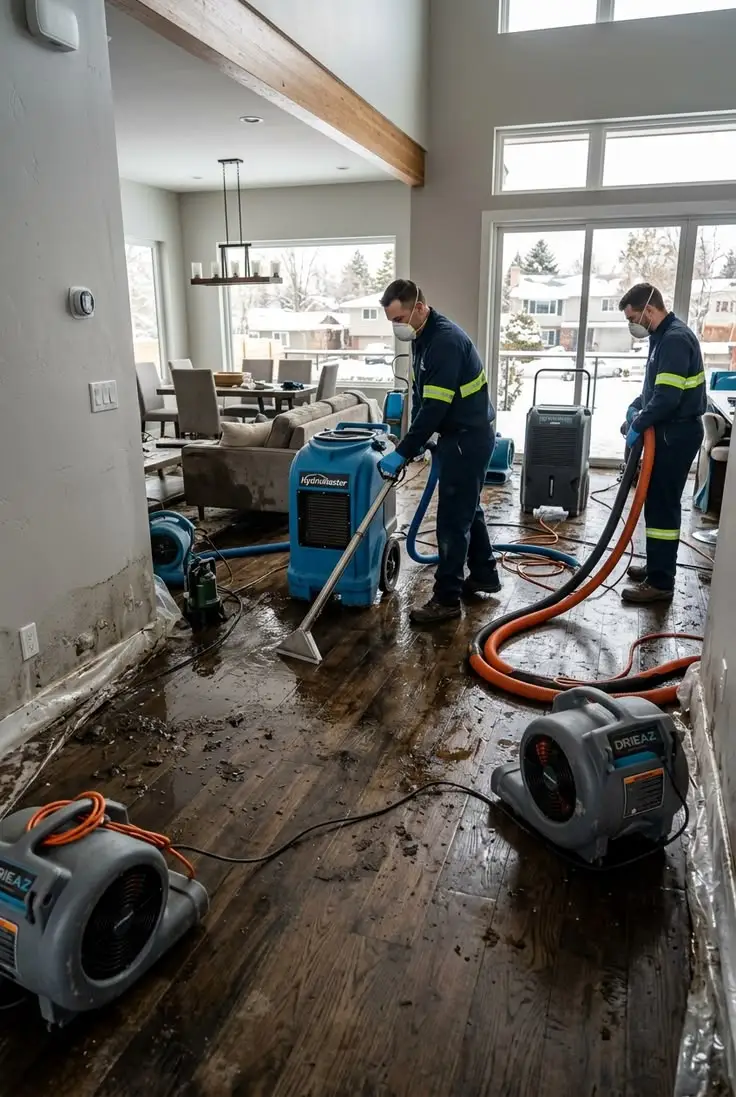
Extract the Water
Using powerful truck-mounted vacuum pumps, we rapidly remove standing groundwater from basements and crawlspaces to stop structural decay and protect your foundation.
Decontaminate & Sanitize
We apply EPA-registered broad-spectrum antimicrobials to all hard surfaces, destroying harmful bacteria, storm runoff pathogens, and foul odors at the source.
Dry, Monitor & Document
We deploy LGR dehumidifiers to dry subfloors and framing, track daily moisture logs, and issue an official IICRC remediation certificate for direct insurance claims.
Ready to start?
Emergency flood response dispatch available 24 hours a day, 7 days a week. Protect your property from secondary mold damage.
Flood Damage Categories & Contamination Risks
Understanding the severity of water contamination is critical to determining the proper, safe restoration protocol.
Category 1: Clean Water
Originates from a sanitary source such as broken water supply lines, tub overflows, or falling rainwater. Poses no immediate risk to health if treated quickly.
Category 2: Gray Water
Contains significant contamination from sources like washing machine discharge, dishwasher runoff, or sump pump failures. May cause discomfort or sickness if contacted.
Category 3: Black Water
Highly unsanitary and dangerous. Includes sewage, seawater, and rising river water carrying disease-causing pathogens, bacteria, toxins, and organic matter.
Flood Damage Restoration for Your Home & Property
1. Flooring & Carpets
2. Drywall & Baseboards
Drywall wicks moisture high above the visible flood line. We perform strategic flood cuts, remove damaged drywall, and sterilize structural framing to secure against future warp and decay.
3. Insulation Extraction
Wet insulation loses its R-value, settles, and serves as an incubation chamber for toxigenic mold. We quickly extract compromised batting or blown-in insulation and clean the cavity.
4. Furniture & Possessions
Our content pack-out team evaluates, cleans, sanitizes, and dries hard surface furniture, heirloom pieces, and specialized items in a humidity-controlled environment to save your belongings.
5. Structural & Final Repairs
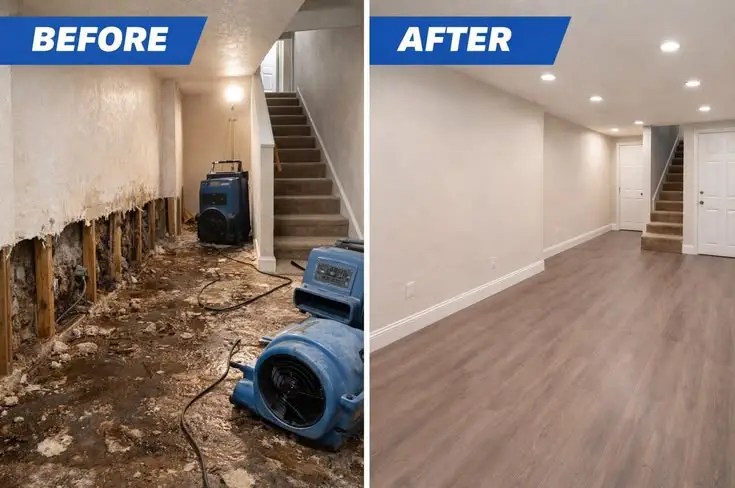
Beyond cleanup, we structuralize full reconstructions. This includes framework stabilization, brand-new drywall installation, painting, trim work, and matching your original layouts.
Water in Your Home or Office? Stop the Damage Now
No obligation structural inspection • Free, honest estimates • On-site in 30 mins
Flood Insurance and Flood Damage Claims in Everett
Flood insurance and water damage insurance are not always the same. Coverage can depend on where the water came from, how it entered the property, and the terms of your policy. Understanding that difference before filing a claim can help you take the right next step.
What Homeowners Insurance Covers
Flood damage caused by overflowing waterways, stormwater, or other qualifying flood events may require a separate flood insurance policy. The National Flood Insurance Program (NFIP) provides flood coverage in participating communities and can help protect eligible buildings and contents from covered flood losses.
Coverage limits, exclusions, and deductibles can vary, so it is important to review your policy before assuming a specific type of damage is covered.
How We Help with Your Claim
A flood damage claim needs clear records from the start. We document the affected areas, visible damage, moisture conditions, and restoration work to help create an organized record of the loss.
We can also provide restoration documentation that may be useful when working with your insurance company or adjuster. While coverage decisions are made by your insurer, proper documentation can help ensure the damage and cleanup work are clearly recorded.
What NFIP Flood Insurance Covers
Flood damage caused by overflowing waterways, stormwater, or other qualifying flood events may require a separate flood insurance policy. The National Flood Insurance Program (NFIP) provides flood coverage in participating communities and can help protect eligible buildings and contents from covered flood losses.
Coverage limits, exclusions, and deductibles can vary, so it is important to review your policy before assuming a specific type of damage is covered.
Not sure what type of coverage may apply to your flood damage? Start by documenting the loss and reviewing your policy as soon as possible.
Why Choose Everett Restoration Pros for Flood Damage Cleanup?
24/7 Response
Local Team
Deeply familiar with Snohomish County’s climate and building styles to ensure reliable structural drying.
Professional Equipment
Moisture Monitoring
Experts
IICRC-certified specialists skilled in microbial prevention, water damage restoration, and sanitization.
Insurance Assistance
We handle direct billing to all major insurance carriers, document details meticulously, and ease your claims process.
Flood Damage Cleanup Services in Everett, WA
Serving Everett Homes and Businesses
Everett Restoration Pros provides professional flood damage cleanup throughout Everett, WA, serving homes and businesses across ZIP codes 98201, 98203, 98204, 98206, 98207, 98208, and 98213. We serve Downtown Everett, Bayside, Riverside, Delta, Northwest Everett, Port Gardner, South Everett, Forest Park, Lowell, Westmont, Holly, Casino Road, Silver Lake, Cascade View, Twin Creeks, and surrounding neighborhoods. Our local team provides flood water extraction, standing water removal, flood cleanup, moisture control, structural drying, and water damage restoration to help restore Everett properties after flooding.
- 98201: Downtown Everett, Bayside, Riverside, Delta, Northwest Everett
- 98203: South Forest Park, View Ridge-Madison, Glacier View, Boulevard Bluffs, Lowell
- 98204: Westmont, Holly, Paine Field Area, Casino Road
- 98206: Main Post Office (Downtown PO Boxes)
- 98207: Carrier Annex (Postal Sorting Facility)
- 98208: Silver Lake, Cascade View, Twin Creeks, Pinehurst-Beverly Park
- 98213: Providence Regional Medical Center Area
Frequently Asked Questions
How quickly should flood damage cleanup begin?
Flood damage cleanup must begin within 24 to 48 hours to prevent irreversible structural decay, subfloor buckling, and toxic mold spore germination. Immediate extraction stops floodwater from penetrating concrete foundations, exterior wall insulation, and interior drywall.
What does comprehensive flood damage restoration include?
Comprehensive flood damage restoration includes:
24/7 Emergency Dispatch & initial thermal moisture inspection
Heavy Water Extraction using truck-mounted vacuum pumps
Muck-Out & Removal of mud, debris, and unsalvageable building materials
Biohazard Disinfection using EPA-registered broad-spectrum antimicrobials
Structural Drying with LGR dehumidifiers and air movers
Full Reconstruction of drywall, subfloors, and framing to pre-loss condition
How does professional floodwater extraction work?
Professional extraction uses high-volume submersible pumps to remove heavy standing water, followed by weighted deep-extraction wands and truck-mounted vacuum units to pull trapped moisture out of carpets, subfloors, and concrete slabs. Moisture mapping via infrared cameras ensures no hidden water pockets remain.
How long does the structural drying process take after a flood?
Heavy water extraction takes 2 to 6 hours, while structural drying takes 3 to 5 days on average. Severe structural flooding involving saturated wall insulation or concrete foundation slabs may require 5 to 7 days under industrial Low-Grain Refrigerant (LGR) dehumidification.
Can floodwater cause mold, and how fast does it spread?
Yes, river runoff, storm surges, and ground floodwaters carry high organic matter that accelerates mold growth. Airborne mold spores can begin germinating within 24 to 48 hours on damp drywall, carpet padding, and wood framing if relative humidity remains above 50%.
How much does flood damage cleanup cost in Everett, WA?
Flood damage cleanup typically costs between $2,500 and $8,000+, depending on water volume, square footage, contamination level (Clean vs. Category 3 Floodwater), and required reconstruction. Exact pricing is determined via an on-site thermal inspection, with detailed Xactimate estimates provided prior to cleanup.
Does homeowners insurance cover natural flood damage in Everett, WA?
Standard homeowners insurance usually does not cover natural flooding, river overflows, or surface storm water runoff. Flood damage requires a separate National Flood Insurance Program (NFIP) policy or private flood policy. However, internal flooding caused by burst pipes or appliance overflows is covered under standard policies.
What should I do immediately after my home suffers flood damage?
Immediately shut off main electrical power breakers if safe, avoid entering standing floodwater due to biohazard and electrical risks, document all damage with photos and videos for insurance, and contact Everett Restoration Pros at (425) 380-0631 for 24/7 emergency dispatch within 30 to 60 minutes.
What is the difference between water damage and flood damage?
Water damage originates from internal, sanitary sources like plumbing leaks, burst pipes, or appliance overflows (Category 1 or 2). Flood damage originates from external surface water, heavy rain runoff, or overflowing rivers (Category 3), carrying hazardous silt, chemicals, and biohazard pathogens that require specialized containment.
Can flooded carpets and drywall be saved after a flood?
Drywall, carpet padding, and fiberglass insulation exposed to external floodwater (Category 3 Black Water) must be removed and disposed of per IICRC biohazard guidelines. Uncontaminated carpet subfloors and structural wood framing can often be saved if professional extraction and antimicrobial drying begin within 24 hours.
Need Flood Damage Cleanup in Everett?
Available 24 Hours a Day, 7 Days a Week • Fast Response Time