Crawl Space Water Damage Services in Everett, WA
Standing water, plumbing leaks, and excess moisture in a crawl space can affect insulation, wood framing, and the air inside your home. Everett Restoration Pros provides professional crawl space water damage services in Everett, WA, including water removal, moisture control, and structural drying to help protect your property.
- 24/7 Emergency Response
- Licensed & Insured
- Serving Everett, WA
- Insurance Assistance
24/7 EMERGENCY RESPONSE
24/7 Crawl Space Emergency Response in Everett
Standing water and excess moisture in a crawl space can go unnoticed for a long time. A musty odor, damp floors, wet insulation, or visible mold may be the first sign that crawl space water damage is already affecting the area beneath your Everett property.
Our team provides emergency crawl space water removal and cleanup in Everett, WA, including inspection, water extraction, and moisture assessment. We check the affected crawl space to identify standing water, hidden moisture, damaged insulation, and conditions that may require further restoration.
What We Check During a Crawl Space Emergency Visit
- Standing water and the source of moisture or water intrusion
- Wood framing, insulation, and vapor barrier conditions
- Hidden moisture and affected areas using professional moisture detection
- Signs of mold growth or water-damaged materials
- The appropriate next steps for crawl space water damage restoration
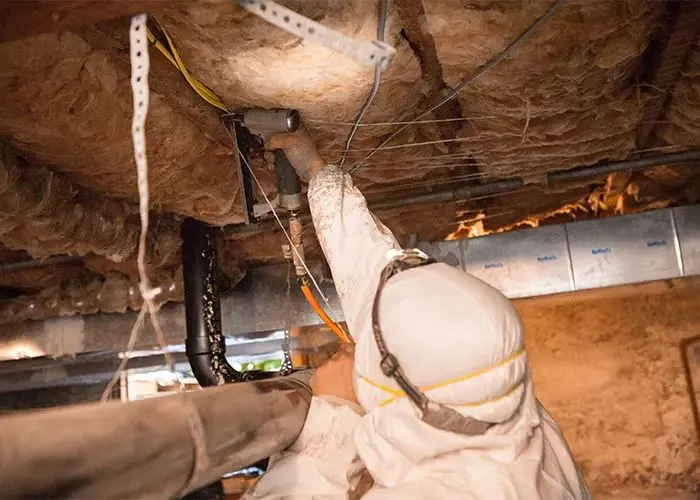
Emergency Water Removal
Rapid, high-volume extraction utilizing heavy-duty extraction pumps to halt standing water damage, preventing subfloor wood rot and soil oversaturation.
Professional Inspection
Immediate dispatch of certified professionals equipped with moisture meters and thermal imaging to quickly trace the root cause and inspect structural framing.
When to Call
Signs Your Crawl Space May Have Water Damage
Crawl space water damage can stay hidden for months before it affects the rest of your home. Watch for dampness, unusual odors, standing water, wet insulation, soft floors, or visible mold, as these can point to excess moisture, leaks, or poor drainage.
Musty Odors
A persistent musty smell can indicate trapped moisture, mold growth, or decaying materials in the crawl space. Even when water is not visible, the odor can be an early warning sign of a moisture problem.
Standing Water
Pools of standing water, wet soil, or puddles around the foundation can indicate plumbing leaks, poor drainage, groundwater intrusion, or heavy rain. Ongoing moisture can increase the risk of mold and structural damage.
Wet Insulation
Damp or sagging insulation can lose its effectiveness and hold moisture against the crawl space structure. Wet insulation may also create conditions that support mold growth and unpleasant odors.
Soft Floors
Crawl space moisture can affect the subfloor and wooden supports above it. If floors feel soft, spongy, uneven, or begin to creak, hidden water damage may have weakened the affected materials.
Visible Mold
Mold growth on floor joists, subflooring, insulation, or crawl space walls is a clear sign of excess moisture. Discoloration, wood staining, or signs of decay should also be inspected before the damage spreads.
Why Everett Crawl Spaces Get Wet
Everett’s wet Pacific Northwest climate and seasonal rainfall can create ongoing crawl space moisture problems. Water may enter from outside, rise through the ground, or come from a hidden plumbing leak beneath the home.
Foundation Vents and Humid Air
Foundation vents can bring humid outdoor air into the crawl space. When that warm air meets cooler surfaces below the home, condensation can form on wood framing, insulation, and other materials.
Groundwater and Seasonal Moisture
Heavy rainfall can raise groundwater levels and increase moisture beneath Everett homes. Water may move through the soil or collect near the foundation, creating damp conditions or standing water below the property.
Failed or Damaged Vapor Barriers
A vapor barrier helps block ground moisture from entering the crawl space. When it is torn, shifted, or poorly installed, moisture can reach the insulation, floor joists, and subfloor above.
Plumbing Leaks Above the Crawl Space
Hidden supply lines and drain pipes can leak slowly without being noticed. Over time, even a small plumbing leak can cause crawl space water damage and leave nearby structural materials wet.
Why Finding the Water Source Matters
Groundwater, condensation, surface water, and plumbing leaks require different solutions. Identifying the source helps determine the right crawl space water damage repair, drying, and moisture-control plan.
Need a Professional Moisture Inspection?
Air Quality
The Stack Effect: Why Your Crawl Space Air Is Your Indoor Air
Your home naturally moves air upward. As warm air rises through the house, replacement air can enter from lower areas, including the crawl space. This airflow pattern is often called the stack effect.
A damp crawl space can therefore affect more than the area beneath your floors. Moisture, musty odors, and airborne particles may move into the living space through openings and gaps in the home.
How Crawl Space Air Can Enter Your Home
Air can move upward through gaps around plumbing and wiring, openings in the subfloor, and other utility penetrations. In some homes, ductwork located in the crawl space can also be affected by damp conditions.
Why Moisture Control Matters
Standing water and excess humidity can create ongoing moisture problems beneath the home. Controlling the water source, drying affected materials, and addressing crawl space moisture helps protect the home’s structure and indoor environment.
What We Check During a Crawl Space Inspection
We inspect for water intrusion, standing water, hidden moisture, damp insulation, and affected building materials. Finding where the moisture is coming from helps determine the right crawl space water damage restoration plan.
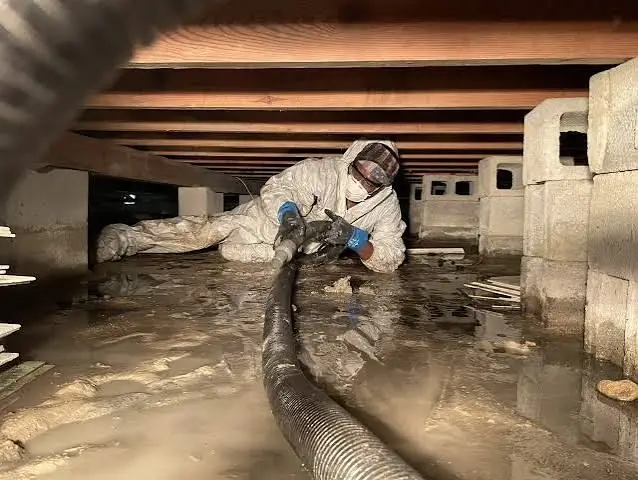
Our Crawl Space Water Damage Restoration Process in Everett
Every crawl space has different conditions, but our restoration process follows a clear sequence. We inspect the moisture source, remove affected water and materials, dry the structure, and verify conditions before the work is complete.
Inspection and Moisture Mapping
We inspect the crawl space for water intrusion, standing water, and hidden moisture. Moisture meters and thermal imaging help us assess affected insulation, vapor barriers, floor joists, and other structural materials.
Standing Water Extraction
When standing water is present, we use equipment suited for confined crawl space access to remove it safely. Submersible pumps and portable extraction equipment help remove pooling water before structural drying begins.
Removal of Wet and Damaged Materials
Wet insulation, damaged vapor barriers, and other affected materials are assessed for removal. Removing materials that cannot be properly dried helps expose the structure and prevents moisture from remaining trapped.
Structural Drying and Dehumidification
After extraction, we use professional drying equipment to reduce moisture in the air and building materials. Air movement and dehumidification help dry floor framing, subfloors, and other affected structural areas.
Mold Assessment and Remediation When Needed
Crawl spaces can support mold growth when moisture remains for an extended period. We inspect affected areas for visible growth and determine whether additional containment or professional mold remediation is needed.
Vapor Barrier Repair and Moisture Protection
Once the crawl space is dry, damaged vapor barriers can be repaired or replaced to help control ground moisture. Proper moisture protection helps reduce the risk of future damp conditions beneath the home.
Final Moisture Verification and Restoration Planning
Before completing the drying phase, we take final moisture readings in affected structural materials. We also document the work completed and identify any remaining repairs or restoration steps for the property.
Notice signs of crawl space water damage?
Long-Term Risk
What a Wet Crawl Space Does to Your Home Over Time
A wet crawl space rarely stays a small problem. Ongoing moisture can damage insulation, weaken wood materials, and create conditions that allow mold to grow beneath your home.
Insulation Falls and Becomes a Mold Substrate
Wet insulation absorbs moisture, becomes heavy, and can pull away from the floor joists. Once it falls onto a damp crawl space floor, it loses much of its insulating value and can hold moisture against nearby materials. Affected insulation may need removal before proper drying can begin.
Floor Joists Absorb Moisture and Begin to Rot
Long-term crawl space moisture can affect floor joists, subfloors, and other structural wood. Early signs may include soft or uneven floors, musty odors, or visible wood discoloration. Finding the problem early helps prevent more extensive wood damage and structural repairs.
Mold Establishes in the Dark
Dark, damp crawl spaces can create favorable conditions for mold growth on wood, insulation, and other organic materials. Because these areas are rarely inspected, hidden moisture may continue unnoticed until odors or other signs reach the living space above.
Finding the Source of Crawl Space Water Damage
Water in a crawl space can cause ongoing moisture problems beneath your home. The first step in crawl space water damage restoration is finding where the water is coming from. Without correcting the source, water extraction and structural drying may only provide a temporary solution.
Plumbing Leaks
Leaking supply lines, drain pipes, and plumbing connections can allow water to collect beneath the home. Even a slow leak can create standing water, wet insulation, and hidden moisture before there are visible signs upstairs.
Groundwater
During periods of heavy rain, a rising water table can push moisture through the soil and toward the crawl space. Groundwater seepage can increase humidity and dampen the dirt floor, vapor barrier, and nearby building materials.
Rainwater Runoff
Poor drainage, clogged gutters, and short downspouts can direct rainwater toward the foundation. Over time, water may enter through foundation openings and create crawl space water intrusion.
Condensation
Humid outdoor air entering through foundation vents can meet cooler surfaces inside the crawl space. This can cause condensation on ductwork, pipes, and structural materials, adding moisture even when there is no active leak.
Understanding the Stack Effect
Your home naturally moves air from lower areas toward upper areas as warm air rises. This airflow pattern, known as the stack effect, can allow crawl space air to move into the living space through gaps around pipes, wiring, and other openings.
When a crawl space has excess moisture, standing water, or mold growth, musty odors and humid air can affect the indoor environment above. That is why controlling the moisture source and properly drying the crawl space is important for both the home’s structure and overall indoor air quality.
Notice signs of crawl space water damage?
Crawl Space Water Damage Repair and Restoration
Standing water and excess moisture beneath your home can affect insulation, structural wood, and indoor conditions. Our crawl space water damage repair process focuses on removing the water, addressing the moisture source, and restoring affected materials based on the condition we find.
1. Crawl Space Water Repair & Extraction
We remove standing water using equipment suited for confined crawl spaces and inspect where the water is entering. Water extraction, drainage improvements, and moisture control measures are recommended based on the source of the crawl space water intrusion.
2. High-Performance Insulation Replacement
Wet insulation can hold moisture against the subfloor and lose its ability to insulate the home. We assess affected insulation and remove materials that cannot be properly restored, then help plan suitable replacement after the crawl space is dry.
3. Structural Wood & Joist Restoration
Long-term moisture can affect floor joists, subfloors, and other structural wood. After drying and moisture assessment, damaged materials can be evaluated for repair or replacement to help restore the strength and stability of the affected area.
What a Wet Crawl Space Can Do to Your Home Over Time
A wet crawl space can create problems that gradually spread beyond the area beneath your floors. Ongoing moisture may affect insulation, wood framing, subfloors, and indoor air quality, making early water damage restoration important.
- Insulation Loss (Soggy, fallen, and ruined framing bats)
- Wood Deterioration (Dry rot, warping, and weakened framing)
- Mold & Mildew (Aggressive toxic spore growth under the subfloor)
- Subfloor Damage (Soft spots and separation in floorboards)
- Spike in Indoor Humidity (Excess moisture drawn into living spaces)
Does Insurance Cover Crawl Space Water Damage in Everett?
Insurance coverage for crawl space water damage usually depends on what caused the water damage and how it occurred. The source, timeline, and condition of the affected materials can all affect how an insurance claim is reviewed.
Sudden & Accidental Leaks (Typically Covered)
A sudden plumbing failure may be covered under many homeowners insurance policies, subject to the policy terms and deductible. Examples can include a burst pipe, failed water heater connection, or sudden appliance supply-line leak that causes water damage beneath the home. Proper photos, moisture records, and damage documentation can help support the insurance claim.
Gradual or Maintenance Problems (Usually Excluded)
Long-term groundwater seepage, ongoing condensation, and unresolved moisture problems are often treated differently from sudden water events. Damage that develops gradually may be excluded under some policies. Finding the moisture source early and addressing crawl space water intrusion can help limit further property damage
Crawl Space Water Damage Restoration Cost
The cost of crawl space water damage restoration depends on the source and extent of the damage, not just the amount of visible water. A small plumbing leak may require limited water extraction, while long-term moisture can affect insulation, vapor barriers, floor joists, and subfloor materials.
Key factors that can affect restoration costs include the size and accessibility of the crawl space, the amount of standing water, the extent of structural drying required, damaged insulation or building materials, mold growth, and any repairs needed after cleanup. A professional inspection helps determine the scope of work before restoration begins.
- Water Extraction: Removing deep standing water.
- Drying & Dehumidification: Industrial air movers to prevent dry rot.
- Mold Remediation: Cleaning existing structural spore growth.
- Insulation Replacement: Disposing of soggy fiberglass batts.
- Vapor Barrier Installation: Laying down fresh 6-mil or 12-mil protective plastic.
Crawl Space Services in Everett, WA
Serving Everett Homes and Businesses
Everett Restoration Pros provides professional crawl space water damage restoration throughout Everett, WA and Snohomish County, serving homes and businesses across ZIP codes 98201, 98203, 98204, 98206, 98207, 98208, and 98213. We serve Downtown Everett, Bayside, Riverside, Delta, Northwest Everett, Port Gardner, South Everett, Forest Park, Lowell, Westmont, Holly, Casino Road, Silver Lake, Cascade View, Twin Creeks, and surrounding neighborhoods. Our local team provides crawl space water removal, standing water extraction, moisture control, structural drying, crawl space cleanup, and water damage restoration to help protect Everett properties from moisture and water damage.
- 98201: Downtown Everett, Bayside, Riverside, Delta, Northwest Everett
- 98203: South Forest Park, View Ridge-Madison, Glacier View, Boulevard Bluffs, Lowell
- 98204: Westmont, Holly, Paine Field Area, Casino Road
- 98206: Main Post Office (Downtown PO Boxes)
- 98207: Carrier Annex (Postal Sorting Facility)
- 98208: Silver Lake, Cascade View, Twin Creeks, Pinehurst-Beverly Park
- 98213: Providence Regional Medical Center Area
Crawl Space Water Damage Services Throughout Everett
Everett Restoration Pros provides specialized water extraction, structural drying, wood rot treatment, and premium crawl space encapsulation across Everett, WA, and Snohomish County. Protect your home’s foundation and improve your indoor air quality with our 24/7 expert restoration services.
What are the common signs of crawl space water damage in Everett?
How does water infiltrate a residential crawl space?
Does water in the crawl space affect indoor air quality?
What is the typical crawl space dry-out process?
Do you coordinate with homeowners insurance for water cleanup?
How long does it take to dry out a flooded crawl space?
Should I encapsulate my crawl space after a flood?
Can structural wood rot be repaired during crawl space restoration?
How can I prevent future crawl space water damage?
Suspect Crawl Space Water Damage?
Need Crawl Space Water Damage Help in Everett?
- 24/7 Rapid Response
- Licensed & Insured Team
- Direct Insurance Billing