Storm Damage Restoration Everett, WA
Everett Restoration Pros provides storm damage restoration in Everett, WA, for homes and businesses affected by storms, wind, rain, and water intrusion. We provide emergency storm cleanup, water removal, moisture inspection, and structural drying to help protect your property. Our local team is available 24/7 for storm damage emergencies in Everett.
- 24/7 Emergency Response
- Licensed & Insured
- Insurance Assistance
- Local Everett Service
Call During the Storm, Not Just After
Call During the Storm, Not Just After
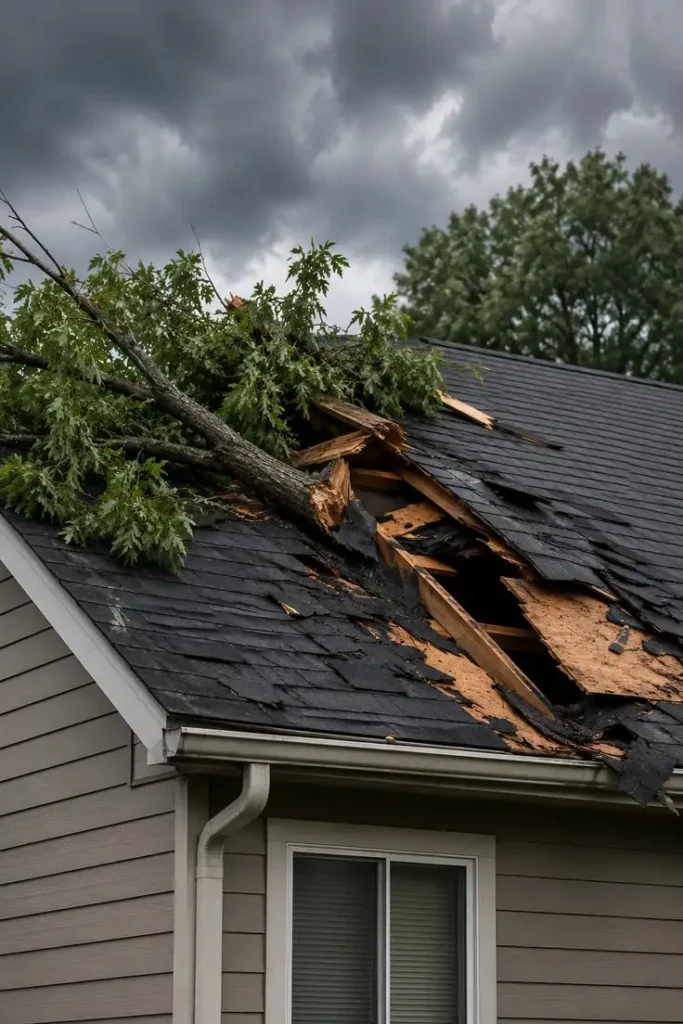
Storm damage can continue getting worse while the weather is still active. A damaged roof, broken window, or siding breach can allow rain and wind-driven water into your Everett home. Calling early helps limit water intrusion, protect the structure, and reduce secondary damage.
Everett Restoration Pros provides emergency storm damage restoration in Everett, WA during and after severe weather. When it is safe for our crew to reach your property, we can:
- Secure roof, window, and siding openings to help stop further water intrusion.
- Remove standing water before it spreads into walls, flooring, and subfloors.
- Check affected areas for visible and hidden moisture.
- Document storm-related damage for your restoration records and insurance claim.
- Begin structural drying to reduce the risk of mold and additional water damage.
Early documentation can also help establish when and how the storm damage occurred. Photos, moisture readings, affected materials, and restoration records provide useful evidence for your insurance adjuster.
Everett Restoration Pros
Everett Restoration Pros is a local water damage restoration company serving Everett and Snohomish County since 2021. Our team understands the Pacific Northwest climate, heavy rainfall, wind-driven rain, roof leaks, and storm-related water intrusion common in the Everett area.
- Local Everett Team: We understand local homes, weather conditions, and common storm damage problems.
- Storm Damage Experience: We handle roof leaks, water intrusion, standing water, and moisture affecting walls, floors, and other building materials.
- Complete Assessment: We inspect the property for visible damage as well as moisture that may be hidden behind walls, ceilings, or flooring.
- Water Extraction & Drying: Our restoration process includes professional water removal, moisture monitoring, air movement, and structural drying when needed.
- Insurance Documentation: We document the affected areas, damage conditions, moisture findings, and restoration work to help keep your claim records organized.
- Professional Standards: Our technicians follow established restoration practices and applicable IICRC standards.
If your Everett property is taking on water during a storm, acting early can help prevent a small leak from becoming a larger restoration problem.
- Local Everett Team
- Storm Damage Experience
- Complete Assessment
- Water Extraction & Drying
- Insurance Documentation
- Professional Standards
If your Everett property is taking on water during a storm, acting early can help prevent a small leak from becoming a larger restoration problem.
What to Do During and After Storm Damage in Everett
Storm damage can continue getting worse while the weather is still active. If rain is entering through a damaged roof, broken window, or siding breach, focus on safety first and limit further water intrusion only when it is safe to do so.
During the Storm
- Stay Safe Around the Damage Stay away from downed power lines, damaged roofs, unstable structures, and standing water near electrical equipment. Do not climb onto a roof or enter an unsafe area during severe weather.
- Limit Further Water Entry If it can be done safely from ground level, use temporary protection such as a tarp or board over a damaged opening. Do not attempt roof repairs while strong winds or heavy rain are still present.
- Protect Belongings Move electronics, important documents, furniture, and other valuables away from areas where water is entering, but only if you can do so without entering an unsafe area.
After the Storm
- Document the Damage Take clear photos and videos of roof leaks, broken windows, damaged siding, wet flooring, ceilings, walls, and affected belongings before major cleanup begins. This information can help support your insurance claim.
- Avoid Disturbing Wet Materials Do not immediately tear out drywall, pull up flooring, or move heavily saturated materials without assessing the damage first. Hidden moisture can remain behind walls, ceilings, baseboards, and under flooring.
- Check for Hidden Moisture Water from storm intrusion can travel beyond the area you can see. A professional moisture assessment can identify affected building materials and help determine where water extraction and structural drying are needed.
Need dispatch now? Everett Restoration Pros is standing by 24/7 with rapid-response water extraction & emergency structural board-up.
The Five Places Storm Water Enters Your Everett Home
Storm water can enter a home from several points during heavy rain and strong winds. A damaged roof, leaking window, siding gap, overflowing gutter, or surface water can allow moisture into walls, ceilings, floors, and crawl spaces. A complete storm damage inspection helps identify every entry point before hidden water causes further damage.
. Roof Leaks and Roof Penetrations
Strong winds can damage shingles, flashing, roof vents, and other roof components, allowing rainwater to enter the attic and move into ceilings and walls. We inspect roof leaks and surrounding areas to identify storm-related water intrusion and hidden moisture.
Siding and Wall Openings
Wind-driven rain can enter through damaged siding, cracked caulking, wall penetrations, and gaps around windows or utility lines. Once inside, moisture can travel through wall cavities and affect insulation, drywall, framing, and flooring.
Windows and Door Frames
Damaged seals, flashing, weatherstripping, and window or door frames can allow rainwater to enter during heavy storms. Water may collect around the opening first and then spread into nearby walls, flooring, and other building materials.
Gutter Overflow and Foundation Water
Clogged or damaged gutters can send large amounts of rainwater down exterior walls and toward the foundation. Poor drainage and overflowing downspouts can increase moisture around basement walls, crawl spaces, and foundation areas.
Surface Water and Drain Backups
Heavy rainfall can overwhelm drainage systems and push water toward low areas around the property. Surface runoff may enter through basement doors, window wells, crawl space openings, or floor drains, creating standing water and additional water damage.
Why Storm Damage Can Lead to Water Damage Throughout Your Home
Water Can Travel Far From the Entry Point
Basements and Crawl Spaces Can Be Affected Later
Hidden Moisture Can Remain After the Storm Ends
Why Water in Your Basement May Have Come From the Roof
Finding water on your basement floor does not always mean the foundation is leaking. During an Everett storm, rainwater can enter through a damaged roof, upper wall, siding, window, or other exterior opening and travel downward inside the structure before appearing in the basement.
How Storm Water Travels Through Your Home
Water from a roof leak or wall opening can move through insulation, wall cavities, sheathing, and framing before reaching the lower levels of the home. By the time you see standing water on the basement floor, the original storm water entry point may be several feet above or in another part of the property.
Why Basement Water Is Easy to Misdiagnose
Homeowners naturally look at the location where water appears instead of tracing where it entered. Treating only the basement without finding the source can leave an active roof leak, siding breach, or other water intrusion point unresolved, allowing the same problem to return during the next heavy rain or windstorm.
How We Find the Actual Water Entry Point
Everett Restoration Pros checks the full moisture path instead of focusing only on visible water. Our assessment can include moisture meters, thermal imaging, and inspection of roofs, walls, ceilings, windows, flooring, and other affected areas to help locate hidden moisture and identify the likely source of storm-related water damage.
If your Everett basement has water after a storm, the visible damage may only be the end of the water’s path. Finding the source early helps determine whether you need water extraction, structural drying, roof leak repair, or further storm damage restoration.
Water in your basement after a storm? Call Everett Restoration Pros
Common Types of Storm Damage We Handle
Everett homes can experience several types of storm damage during heavy Pacific Northwest weather. From wind-driven rain and roof leaks to basement flooding and fallen trees, our local restoration team helps identify the source, remove water, and prevent further property damage.
Heavy Rain and Water Intrusion
Heavy rain can overwhelm roofs, gutters, and drainage systems, causing water intrusion through damaged roofing, siding, windows, and other exterior openings. We remove standing water, inspect hidden moisture, and dry affected areas to help prevent mold and secondary water damage.
Wind and Wind-Driven Rain Damage
Strong Puget Sound winds can damage shingles, siding, soffits, flashing, and window seals, allowing wind-driven rain to enter wall cavities. Our Everett storm damage restoration team identifies each entry point, extracts water, and dries saturated walls, insulation, and flooring.
Roof and Exterior Water Damage
Roof penetrations from wind, hail, fallen branches, or damaged flashing can allow rainwater into attics and interior spaces. We provide emergency roof tarping, moisture mapping, water extraction, and structural drying to limit further storm-related water damage.
Basement and Crawl Space Flooding
Prolonged Everett rainfall can saturate soil, overwhelm drainage, and push water into basements and crawl spaces through foundation walls, floor drains, or window wells. We remove standing water, dry the structure, and check for hidden moisture that can lead to mold growth and structural deterioration.
Fallen Debris and Storm-Related Property Damage
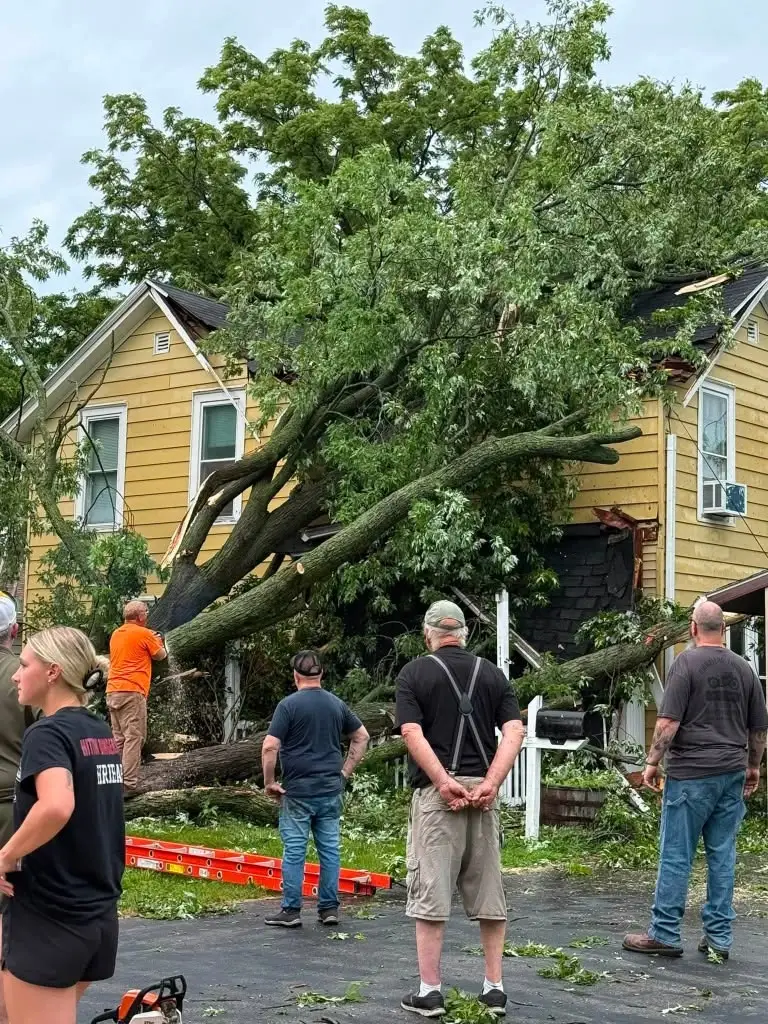
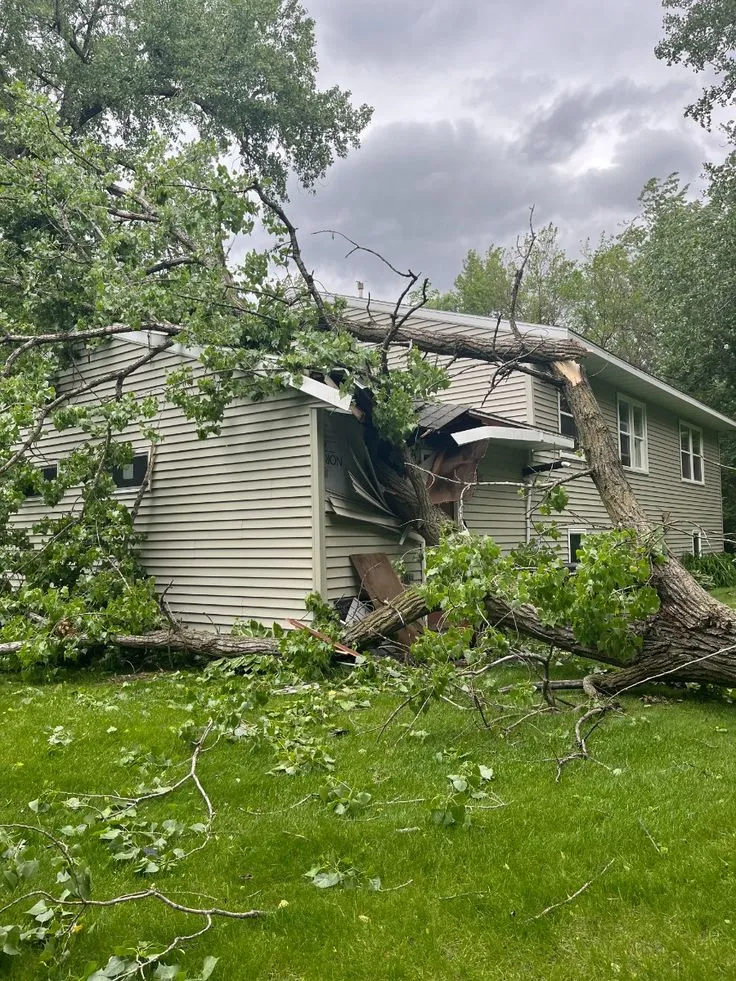
Fallen trees, branches, and other storm debris can damage roofs, windows, siding, and exterior structures while creating additional water entry points. We provide debris cleanup, emergency board-up, temporary protection, water extraction, and restoration for affected Everett homes and businesses.
Our Storm Damage Restoration Process in Everett
Storm damage can affect several parts of a property at the same time. Our restoration process focuses on stopping further water intrusion, finding hidden moisture, removing affected materials, and drying the structure properly.
Secure the Property and Stop Further Water Entry
Before restoration work begins, we address active openings that are allowing rain or wind-driven water inside. Depending on the damage, this may include temporary roof tarping, securing damaged windows, or protecting siding and other exterior openings.
Thermal Imaging and Moisture Assessment
Once the property is secure, we inspect affected areas for visible and hidden moisture. Moisture meters and thermal imaging can help trace water intrusion through walls, ceilings, floors, insulation, and other building materials so the full extent of the storm damage is identified.
Water Extraction and Removal of Saturated Materials
Standing water is removed with professional water extraction equipment. If drywall, insulation, carpet, padding, or other porous materials have absorbed significant moisture, affected materials may need to be removed to give the structure access to proper drying.
Structural Drying and Moisture Monitoring
Storm damage can leave moisture in multiple areas of a home. We position air movers and dehumidification equipment based on the affected areas and monitor moisture levels during the drying process. The goal is to bring wet building materials back to appropriate moisture conditions and reduce the risk of mold and secondary water damage.
Final Inspection and Insurance Documentation
After drying is complete, we inspect the affected areas again and document the restoration work. Photos, moisture readings, affected materials, equipment records, and other job details can provide a clear record for the property owner and insurance adjuster.
Everett Restoration Pros
Everett Restoration Pros provides storm damage restoration in Everett, WA and throughout Snohomish County. If your property has roof leaks, water intrusion, standing water, or hidden moisture after a storm, a complete assessment can help identify the damage before it becomes a larger problem.
Storm Damage Insurance in Everett: What May Be Covered
Storm damage insurance claims can become complicated when wind, hail, heavy rain, roof damage, or fallen trees cause water intrusion. Everett Restoration Pros documents the visible damage, moisture conditions, and affected areas to help homeowners and businesses keep a clear restoration record for their insurance claim.
Sudden Storm Damage vs. Maintenance Problems
Most homeowners policies may cover sudden and accidental damage caused by wind, hail, fallen trees, or storm-related water intrusion. Damage linked to long-term leaks, rot, deterioration, or poor maintenance may be excluded, so identifying when and how the damage occurred is important.
What Insurance Adjusters May Review
Insurance adjusters may examine the roof, siding, windows, storm damage, previous wear, and the date of the weather event when reviewing a claim. Clear photographs, moisture readings, thermal imaging, and professional restoration documentation can help show the difference between sudden storm damage and pre-existing maintenance issues.
Documentation That Can Support a Storm Damage Claim
Good documentation can make the restoration and insurance process easier to follow. Everett Restoration Pros can document damaged areas, water intrusion paths, affected materials, moisture conditions, extraction, drying equipment, and restoration work with detailed photos and records.
When Flood Damage May Be Handled Differently
Water entering from rising rivers, surface flooding, or groundwater can be treated differently from storm water that enters through a damaged roof, window, or exterior opening. Standard homeowners insurance may exclude certain flood losses, which can require separate flood insurance coverage depending on the source of the water.
Local Everett Storm Damage Claim Support
Everett Restoration Pros serves homeowners and businesses throughout Everett and Snohomish County after windstorms, heavy rain, roof leaks, fallen trees, and water intrusion. Our restoration team focuses on documenting the damage accurately, controlling further water entry, and completing professional water extraction and structural drying.
Storm Damage Restoration Cost in Everett, WA
Request a Free On-Site Assessment
- Comprehensive Structural Inspection
- Professional Moisture Level Mapping
- Full Documentation for Insurance Claim
- Clear, Itemized Repair Estimates
What Happens After Storm Damage Restoration?
After emergency water removal and storm damage cleanup, the restoration process continues with moisture verification, repair planning, documentation, and steps to reduce future water damage. Everett Restoration Pros makes sure the property is properly dried and the restoration work is clearly documented.
Final Moisture Checks and Drying Verification
We use moisture meters and thermal imaging to check drywall, subfloors, framing, and other affected areas. Drying is verified before the property moves into the repair and reconstruction stage.
Restoration and Repair Planning
Once the structure is dry, we identify remaining repair needs and plan the restoration work. This may include drywall replacement, flooring, framing repairs, painting, and other repairs needed to return the property to its pre-loss condition.
Keeping Records for Your Property and Claim
Everett Restoration Pros documents the storm damage, affected materials, moisture readings, drying progress, photographs, and completed restoration work. These records provide a clear project history and can help support your insurance claim.
Preventing Future Moisture Problems
We also look for conditions that may contribute to future water intrusion, such as roof openings, damaged siding, drainage problems, or excess moisture. Where appropriate, we can recommend practical steps to improve moisture control and protect your Everett property from future storm damage.
Residential and Commercial Storm Damage Restoration
Storm damage can affect homes and businesses differently, but both need fast water removal, property protection, and professional restoration. Everett Restoration Pros provides storm damage cleanup and restoration for residential and commercial properties throughout Everett and Snohomish County.
Storm Damage Cleanup for Everett Homes
Severe weather can damage roofs, siding, windows, and other exterior areas, allowing rainwater to enter your home. We provide emergency storm response, water extraction, moisture assessment, structural drying, and temporary roof tarping or board-up protection to help prevent further damage.
Storm Damage Response for Commercial Properties
Storm damage can quickly disrupt normal business operations and damage equipment, inventory, flooring, and building materials. Our commercial restoration team provides emergency water removal, commercial structural drying, board-up services, and storm damage cleanup to help reduce downtime and return your property to a safe, usable condition.
Storm Damage Restoration in Everett, WA
Serving Everett Homes and Businesses
Everett Restoration Pros provides professional storm damage restoration throughout Everett, WA and Snohomish County, serving homes and businesses across ZIP codes 98201, 98203, 98204, 98206, 98207, 98208, and 98213. We serve Downtown Everett, Bayside, Riverside, Delta, Northwest Everett, Port Gardner, South Everett, Forest Park, Lowell, Westmont, Holly, Casino Road, Silver Lake, Cascade View, Twin Creeks, and surrounding neighborhoods. Our local team provides storm damage cleanup, emergency water removal, roof leak cleanup, water extraction, structural drying, moisture control, and restoration after wind, heavy rain, and storm-related water damage.
- 98201: Downtown Everett, Bayside, Riverside, Delta, Northwest Everett
- 98203: South Forest Park, View Ridge-Madison, Glacier View, Boulevard Bluffs, Lowell
- 98204: Westmont, Holly, Paine Field Area, Casino Road
- 98206: Main Post Office (Downtown PO Boxes)
- 98207: Carrier Annex (Postal Sorting Facility)
- 98208: Silver Lake, Cascade View, Twin Creeks, Pinehurst-Beverly Park
- 98213: Providence Regional Medical Center Area
Frequently Asked Questions About Storm Damage Restoration
What Is Storm Damage Restoration?
What Should I Do Immediately After Storm Damage?
Can Heavy Rain Cause Water Damage Inside a Home?
How Do Professionals Find Hidden Storm Damage?
Does Storm Damage Restoration Include Water Removal?
Does Homeowners Insurance Cover Storm Damage?
What Is the Difference Between Storm Damage and Flood Damage?
How Long Does Storm Damage Restoration Take?
Need Emergency Storm Damage Restoration in Everett?
Don’t let hidden moisture destroy your home from the inside out. Water trapped behind drywall, under subfloors, and within structural framing can trigger hazardous mold growth and weaken your foundation within 24 to 48 hours. Our local emergency crews are equipped with heavy-duty structural drying systems and thermal imaging to locate and extract moisture instantly.